Epoxy vs. Traditional Flooring: Which is Right for You? Dec 01, 2025
Epoxy flooring, known for its durability and aesthetically pleasing finish, has gained popularity in recent years. This type of flooring is created by combining a resin and a hardener, resulting in a tough, plastic-like material that adheres strongly to concrete surfaces. On the other hand, traditional flooring, which includes options like hardwood, tile, and vinyl, has long been favored for its classical appeal and variety.
Durability is often the primary consideration for anyone choosing new flooring. Epoxy floors are highly resistant to wear and tear, making them ideal for high-traffic areas. They are unaffected by heavy impacts, chemical spills, and water, which is particularly beneficial in industrial settings or garages. Traditional flooring, such as hardwood, may offer a warm, natural look, but it can be susceptible to scratches, stains, and water damage, especially without regular maintenance.
Maintenance is another crucial factor. Epoxy floors are seamless and easy to clean. A simple mop and some water can typically keep them looking pristine, reducing the time and costs associated with upkeep. Conversely, traditional flooring materials like tile require regular grout cleaning, and hardwood needs periodic refinishing to prevent damage and maintain its appearance.
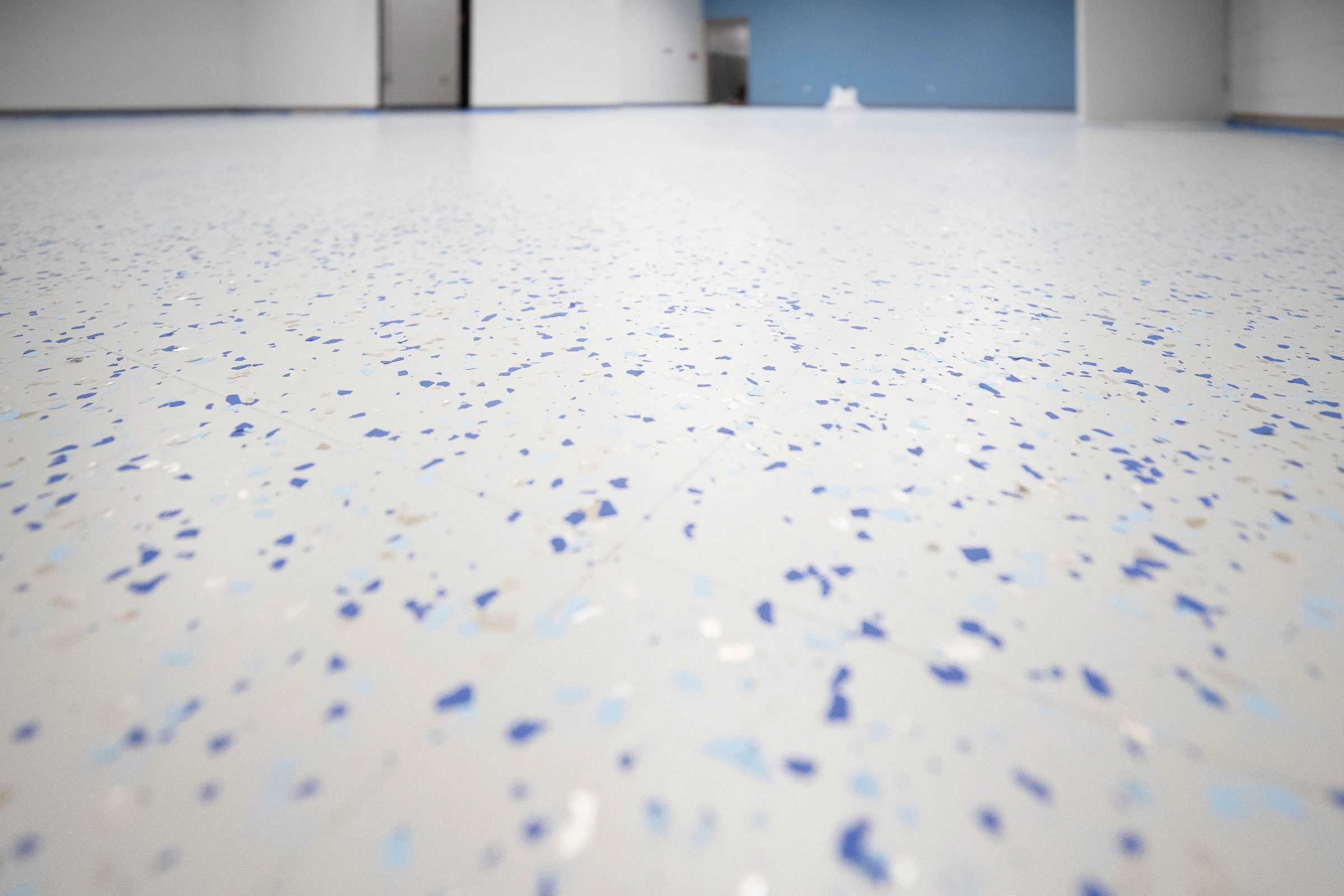
Aesthetics play a significant role in your choice as well. Epoxy floors can be customized with various colors, patterns, and finishes to complement your interior decor. Whether you prefer a glossy marble look or something more understated, epoxy can deliver. Traditional flooring, although varied in style, has limitations in terms of customization without significant additional cost or effort.
Cost is always a critical consideration. While epoxy floors can sometimes have a higher initial installation cost, their long lifespan and low maintenance requirements can offer significant savings over time. Traditional flooring might have a lower upfront cost, but the potential for frequent repairs and replacements can add up quickly, impacting your budget.
When considering sustainability, epoxy flooring has made strides in being more eco-friendly, with many manufacturers offering low-VOC options. Traditional flooring, depending on your choice of materials, can also offer sustainable options, particularly if you opt for responsibly sourced wood or recycled materials.
To conclude, the choice between epoxy and traditional flooring depends on your specific needs and priorities. If you are seeking a flooring solution that is robust, low-maintenance, and highly customizable, epoxy flooring may be the right fit for you. On the other hand, if you prefer a classical look and are diligent about maintenance, traditional flooring could be your best choice.
Next Level Coatings is dedicated to providing expert consultation to help you pick the ideal flooring option for your space. By understanding your priorities and the specific demands of your environment, we aim to ensure you achieve a flooring solution that perfectly aligns with your vision and functional requirements. Whether you're leaning toward epoxy or traditional flooring, we’re here to assist you in making a decision that you'll be satisfied with for years to come.
/filters:no_upscale()/filters:format(webp)/media/3552d4cd-d46d-4192-866e-f730a227cd8d.webp)